Engine Repair: Everything You Need to Know
A vehicle’s engine is its powerhouse. It acts as the driving force behind the vehicle’s functionality and performance. A well-maintained engine can ensure safety and save money. Since your engine is responsible for a lot, it can become susceptible to wear and tear, especially after extensive use.
If your vehicle is showing signs of damage, an engine repair may be needed. Engine repair can range from minor maintenance works to major overhauls. As a vehicle owner, it is important to understand your engine and its repair to maintain your machine’s longevity.
In this article, we will explore the basics of engine repair, covering practical insights and offering advice that may help you next time your engine is stirring up problems. If you are in Olympia, WA, be sure to drop by Bron’s Automotive for an expert opinion.
How is the Engine Vital to Your Vehicle?
To understand the importance of engine repair, it’s essential to know why the engine is key to your vehicle. Just as the heart powers the human body, the engine powers the vehicle. It works by converting energy from fuel to the mechanical force that pushes the motor. This process is called internal combustion.
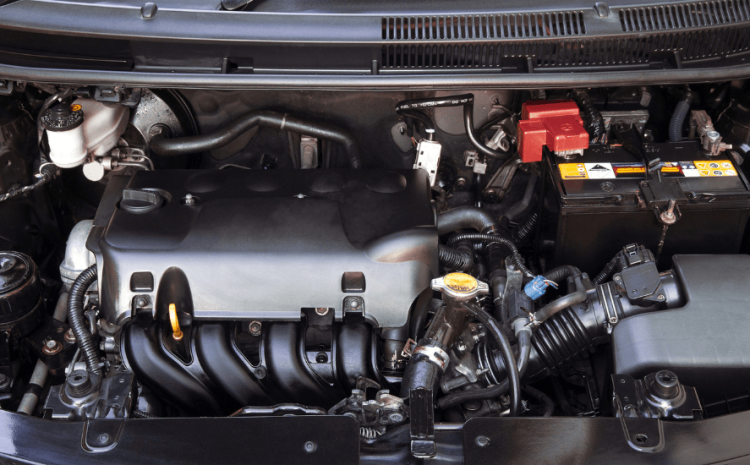
Most motor vehicle engines comprise two sections: the engine block and the cylinder head. The block is made of steel or aluminum. It includes the pistons, crankshaft, connecting rods, and other components. The cylinder head has spark plugs, intake and exhaust valves, valve springs, and valve lifters (or tappets). The two sections work together to create internal combustion.
The engine is constantly working to provide the vehicle with the needed force. Without a functioning engine, your entire vehicle will be rendered useless. This makes routine engine maintenance, and if needed engine repair, critical for the overall health of the motor.
Engine Repair vs. Engine Replacement
Any work done to bring the engine back to its optimal health is called engine repair. Depending on the extent of the damage, engine repair can go from replacing problematic parts to overhauling the whole engine and replacing it.
Engine replacement usually occurs when engine problems have not been addressed for a long time, leading to permanent engine damage. With routine maintenance and check-ups, the chances of an engine replacement can be reduced. Get your engine checked every three months by a trusted repair shop. If you’re in Olympia, WA, visit us at Bron’s Automotive.

What Can Lead to a Damaged Engine?
An engine is a sturdy yet complex piece of machinery. It is made up of multiple small components, each doing a specialized task. Problems in any component may become a cause for engine repair. Listed below are five common issues that you should be aware of in order to avoid engine damage.
1. No Oil in the Engine
Having sufficient and clean oil in your engine ensures the smooth working of the components. With little to no oil in the engine, all the various metal gears, valves, shafts, and pistons that move along with one another will grind together, causing severe damage.
Oil change is considered the number one care tip for your engine. If there’s not enough oil in the engine or the oil inside has broken down too far to provide good lubrication, the engine can sustain major damage and lead to costly repairs.
2. Overfilled Engine
Just as little to no oil in the engine is problematic, having too much oil in the engine can also lead to heavy damage. An overfilled engine will submerge the engine parts in oil. As they beat together, the oil will become aerated and foamy. Frothy oil cannot flow through the engine as well and won’t protect the engine parts as needed.
3. Misfire
A misfire is an explosion that occurs outside the engine’s combustion cylinders. The components in the engine work together to power the motor. However, if an issue with the engine timing, spark ignition, or air/fuel ratio arises, it can lead to a misfire.
While individual misfires are not usually a difficult problem, a misfiring engine can develop serious and costly problems over time. You should take your vehicle for an engine repair soon after you notice a misfire.
4. Hydrolocked Engine
If you drive your vehicle through deep waters, the engine may suck in water, causing complete damage.
Many modern cars now feature intake and exhaust ports, situated very low on the car’s undercarriage. If you attempt to drive through water that’s more than just a few inches deep, water can be drawn into the engine through those ports. That’s a problem because water, unlike air, cannot be compressed.
5. Extended and Unchecked Use
With overtime and extended use, your engine may experience wear and tear. A rough estimate of average mileage and vehicle model, engines on newer cars have an average lifespan of around 10 years or 200,000 miles. With proper maintenance and care, a car engine can last up to even 20 years.
Unchecked engines can experience a serious dip in performance which can prove hazardous to your safety and be extremely costly in the long run.
Signs Your Engine Needs a Repair
Critical engine damage can be understood through some clear signs. Before you run an engine diagnostic test, you should usually be able to tell that your engine is not performing at its best.
When the following signs show up, you should call a trusted mobile mechanic to get your vehicle checked. If you’re in Olympia, WA, visit Bron’s Automotive for a thorough and expert opinion.
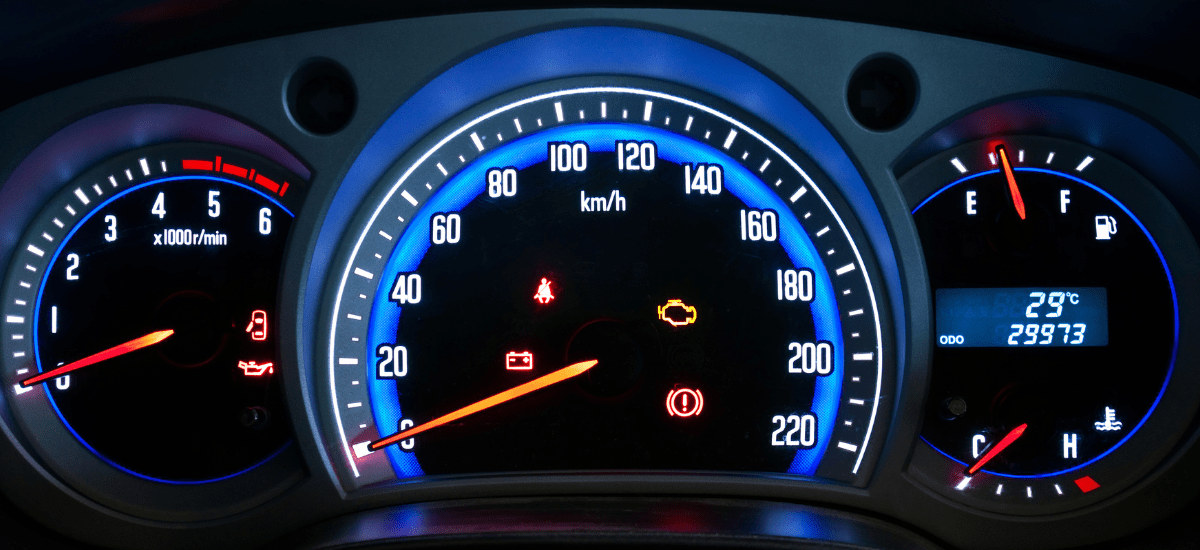
1. Engine Dashboard Light
A clear sign that your engine needs a repair is if your check engine light turns on in the dashboard. Dashboard lights are connected to sensors throughout the vehicle. The sensors pick up on functional abnormalities and turn on the light accordingly.
If your engine is acting out of order, the sensors will detect it, consequently turning on the check engine light on your dashboard. This suggests that an urgent checkup is required.
2. Overheated Engine
An overheated engine means that too much heat has built up in the cylinders which is not being released the way it should. This can cause the cylinders to expand and possibly even crack over time due to extreme temperatures and pressure levels.
3. Poor Fuel Economy
If your vehicle is consuming more fuel than normal, it could indicate a problem with the engine. Faulty valve seals and worn piston rings can lead to oil burning and higher oil consumption.
To avoid this, every vehicle owner should get their oil changed regularly. Routine oil changes maintain your engine’s health and prolong its life.
4. Reduced Engine Power
Loss of engine power is another sign of engine failure. If you feel a slight delay in the release of power after pressing on your accelerator, your engine is not functioning at its best. Get your engine repaired by an expert mechanic in your area to maintain its health.
5. Low Oil Pressure
Having a low oil pressure is a sign that your engine is damaged. Low oil pressure could mean an internal leak or point toward a need for oil filter replacement. A thorough check can help you identify and fix the problem.
Bron’s Automotive – Your One-Stop Auto Repair Shop in Olympia, WA
When it comes to understanding the engine, no one does it better than our expert mechanics at Bron’s Automotive. With 22 years of experience and over a hundred satisfied customers, you can trust our mechanics to bring your engine to its optimal functionality.
Visit our repair shop at 2021 Harrison Ave NW, Olympia, WA, 98502 or call us at +1 (360) 943-5993.